

Clean in Place System Overview
Pharmaceutical manufacturing process equipment are generally cleaned using a strategic CIP system design that meets ASMEBPE standards; CIP plays an vital role in optimizing the cleaning and validation processes.
Designing a CIP system begins by sizing for sufficient flow and pressure to thoroughly remove residue, reduce cycle times, and rinse effectively.
Clean-in-Place (CIP) Systems are either manual or automated for cleaning the interior surface of process lines & vessels, tanks mixers, blenders, homogenizers etc., without dismantling the equipment. Thorough, repeatable in-place cleaning is mandatory as per cGMP and critical to the quality of product.
We have in-house automation programming experts to design each CIP program to optimize cycle times that get you back into production faster, while reducing chemicals, water use and operating cost.
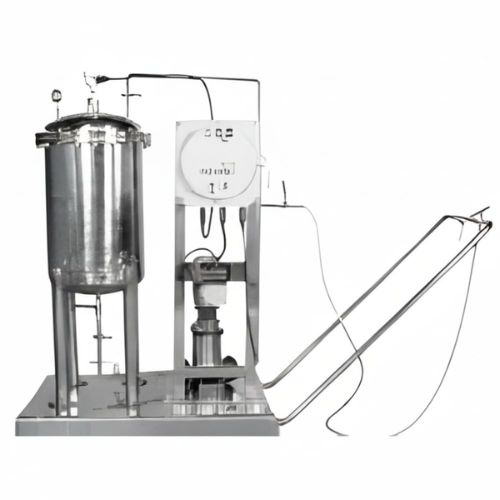
CIP Systems are available in from Tank to Multi Tank or dual operating, custom built and engineered, both in flameproof and non-flameproof.
Custom Designed Clean in Place System
Our CIP System are engineered to your specific plant application, flameproof and non-flameproof, layout and utility requirements for effective and efficient sanitary process equipment cleaning. Our application specific CIP design and sizing ensures sufficient flow at appropriate pressure to thoroughly remove any residue and rinse effectively, in short cycle times.

Clean in Place System Advantages
Clean-in-Place (CIP) systems enable effective internal cleaning of process equipment without dismantling. They improve hygiene standards, reduce downtime, and ensure consistent cleaning results while supporting safe and efficient operations in regulated environments.
Provides thorough and repeatable cleaning of the interior surfaces of process lines, tanks, mixers, and blenders without the need for equipment dismantling.
Designed to meet ASME-BPE and cGMP standards, ensuring high product quality and hygiene.
Reduces cycle times, chemical consumption, water usage, and operational costs through optimized automation.
Can be designed as manual or automated systems, allowing flexibility and process control.
Clean in Place System Features


Automated Control System
Includes in-house automation programming to optimize cycle times and cleaning sequences.

Effective Cleaning Performance

Custom System Configurations

Sanitary Design Standards

Application-Specific Engineering

Safety-Oriented Construction Options
Offered in both flameproof and non-flameproof configurations, depending on the process area.
Clean in Place System Application Areas

Pharmaceuticals

Food
Maintains hygiene by cleaning vessels, pipelines, and processing equipment thoroughly.

Biotech
Supports sterile fermentation and purification systems for contamination-free production.

Chemicals
Cleans reactors and pipelines to prevent residue buildup and contamination.

Cosmetics
Sanitizes mixing and filling machines used in lotions and creams.

Dairy
Ensures hygienic cleaning of milk storage, transfer, and processing tanks.
Case Study: Clean‑in‑Place (CIP) System
Automated, Hygienic & High‑Efficiency Sanitation for Process Industries
Project Overview
A major multinational manufacturer across food, beverage, pharmaceutical, and biotechnology sectors needed a reliable Clean‑in‑Place (CIP) System to support frequent sanitation of process equipment, including tanks, piping, heat exchangers, mixers, and filling lines, without the need for manual disassembly and reassembly. Traditional manual cleaning methods were time‑intensive, risked inconsistent sanitation, and exposed operators to hazardous chemicals.
To meet stringent hygiene requirements, reduce downtime, and improve consistency and safety, a custom‑engineered, automated CIP system was designed and implemented. This solution enabled the thorough internal cleaning of process systems in line, maintaining regulatory compliance and boosting operational efficiency.
Client Profile
- Industry: Food & Beverage, Pharmaceuticals, Biotechnology, Cosmetics
- Application: Automated cleaning of vessels, process lines, heat exchangers, and ancillary equipment
- Sanitation Requirements: Strict hygiene standards (cGMP, FDA, ASME‑BPE)
- Operational Goals: Minimal downtime, reproducible sanitization, improved safety, and compliance
Challenges Faced:
Before implementing the CIP system, the client encountered several operational limitations:
- Time‑Consuming Manual Cleaning: Frequent disassembly and manual scrubbing reduced production time and introduced variability.
- Human Error & Contamination Risks: Manual sanitation often led to inconsistent cleaning results, increasing the risk of microbial contamination and product quality issues.
- Safety Hazards: Operators were exposed to caustic chemicals and confined spaces, raising health and safety concerns.
- High Operational Expenses: Manual cleaning consumed excessive water, chemicals, labor time, and energy.
These challenges reduced throughput, increased operating costs, and made consistent compliance with hygiene standards difficult to sustain.
Engineered Solution: Clean In Place System
A custom Clean‑in‑Place (CIP) System was engineered to automate and standardize cleaning procedures across multiple process units. The system architecture included system highlights & features.
- Automated Cleaning Cycles: Pre‑programmed cleaning recipes that manage pre‑rinse, caustic wash, acid wash (optional), and final sanitation, all without manual intervention.
- PLC + HMI Control: Centralized automation with a touchscreen for choosing cleaning recipes, monitoring in real-time, and keeping records for tracking and audits.
- Multi‑Tank Configurations: Single, dual, or triple CIP tanks depending on process volume and cleaning complexity.
- Sanitary Construction: SS304/SS316L piping, polished interiors, and tri‑clamp connections to eliminate dead legs and ease sanitation.
- Integrated Pumps & Valves: High‑flow centrifugal pumps with automatic valve clusters to direct cleaning media through equipment loops.
- Temperature & Chemical Control: Electric or steam heating for cleaning solutions and automatic dosing for caustic/acid, controlled digitally.
- Flow & Conductivity Sensors: Real‑time verification of cleaning effectiveness and cycle progression with logged parameters.
This CIP system was engineered to be scalable, flexible, and fully integrated with automated production environments, minimizing operator intervention and improving sanitation consistency.
Implementation Approach
Process & Facility Assessment
We evaluated equipment geometries, flow paths, sanitary connections, fouling types, and regulatory hygiene targets.
System Design & Engineering
The system design and engineering team customized pump sizing, tank layout, valve logic, and automation sequences based on the plant layout and cleaning requirements.
Fabrication & Assembly
Skid‑mounted CIP units are built with hygienic design standards, including welded stainless steel piping and automatic actuators.
Controls Integration
The controls integration process includes PLC programming, recipe management, alarms, and data logging to support validation and compliance requirements.
Installation & Commissioning
Field installation with utility connections (steam/electric heating, water, and drain), system calibration, and performance validation.
Training & Documentation
Operational training and SOPs were provided for routine operation, cycle validation, and maintenance.
Outcome & Benefits
Following the implementation of the CIP system, the client realized significant operational gains:
Automated, Consistent Cleaning
Repeatable cycles reduced variability and ensured thorough sanitation across equipment runs.
Reduced Downtime & Higher Productivity
Automated cleaning reduced turnaround durations between production batches, increasing productive throughput.
Enhanced Safety & Reduced Chemical Exposure
There is no need for operators to enter tanks or manually handle chemicals, improving workplace safety.
Lower Operational Expenses
Efficient use of water, chemicals, and energy through optimized cleaning cycles reduced utility expenses.
Regulatory Compliance & Traceability
Digital data logging and documented cleaning sequences helped meet hygiene standards (cGMP, FDA, HACCP) and facilitated audits.
This case demonstrates how an intelligently engineered Clean‑in‑Place System becomes a strategic operational asset – improving sanitation, safety, efficiency, and regulatory readiness across complex processing plants.
Applicable Industries
CIP systems are essential where hygiene and contamination control are critical:
- Food & Beverage Processing – Dairy, juices, sauces, confectionery, and breweries.
- Pharmaceutical & Biotech Manufacturing – Sterile reactors, mixers, and filtration lines.
- Cosmetics & Personal Care – Lotions, creams, and emulsion vessels.
- Dairy & Beverage Processing Lines – Tanks, pipelines, and heat exchangers.
- Chemical & Specialty Production – Piping and vessel cleaning between batches.
Talk to Our CIP Systems Expert
Looking to upgrade or implement an automated Clean‑in‑Place (CIP) System for your facility?
Contact our engineering team today to discuss your process, hygiene standards, cleaning requirements, and automation goals.